

Hello, friends. Be patient with me today, as I had a 907-mile drive yesterday to bring DG’s race car and a spare engine back from the builder. I’d like to thank Olivia Rodrigo’s new album, and the surely-FDA-illegal Buc-ee’s house soda, for making it possible. Also, I’m currently on the brink of suicide watch because Swatch denied my application for a Moonswatch 1969. I believe many ACFers were also affected by this global tragedy. Last but not least — If you didn’t see it, be sure to check out yesterday’s Harley Pan America test.
The end of high hopes
At 4:30 this morning, Glen Hansard crashed his motorcycle, alone, in Dublin, Ireland, and was killed. He was fifty-six years old. I cannot easily express what his music has meant to me over the past decade and a half. I have performed his tunes in public hundreds of times. If you have never listened to him, I recommend the album “Rhythm and Repose”, which contains his best and most thoughtful work.
He was a busker and local-scene fixture for years before breaking into the public eye as part of a duo with Marketa Irglova in 2007. They appeared together in a film, “Once”, that fictionalized their relationship, and performed as “The Swell Season”.
I could go on about Glen, and I’m tempted to, but instead I will tell a personal story. In 2015 I was doing a thrice-weekly gig at a sandwich shop in downtown Columbus. 11:00 to 1:00, playing whatever came to mind. I was in what the kids call “a bad place” one day and I decided to play through “Bird of Sorrow”:
Tethered to a bird of sorrow
A voice that's buried in the hollow
You've given over to self-deceivin'
You're prostrate, bowed, but not believin'
You've squandered more than you could borrow
You've bet your joy on all tomorrows
For the hope of some returnin'
While everything around you is burnin
It had the effect of silencing what was normally a pretty loud restaurant — oh my god, the crazy guitar player in the corner is going to end this by killing himself — and I was embarrassed afterwards. About ten minutes later, a painfully beautiful woman in her late twenties walked up to me and said, “I have wanted to hear that song live for a very long time, and I needed to hear it today.” She handed me a fifty-dollar bill. I didn’t want to spend it, so I kept it, put it aside, moved it from guitar case to guitar case, car to car, until one day I realized that I had managed to lose it. Just like I have lost so many other things worth keeping over the years. Money, opportunities, people, time, love. Tethered, you might say, to a bird of sorrow.
Glen, I’ll be seeing you.
Some goats stumble, others leap past
This was certainly a weekend to forget for poor Oscar Piastri. His qualifying was ruined by Sir Lewis Hamilton — although it was poor work by the spotters, not by Lewis himself, responsible. Then he leapt out to lead the race in a move that the vast majority of the sport’s drivers would never have considered, only to be struck by a wandering Carlos Sainz and balked back into traffic. Finally, his gearbox died and ended his race.
His teammate, by contrast, qualified up front then easily recaptured first place on pure over-the-road speed in the early stints. It is easy, when watching Lando Norris’s emotional collapses and self-doubt and mistake-prone behavior, to forget the fact that he is a genuinely exemplary driver in the right circumstances. He’s like a modern Jenson Button; mediocre-to-decent in the majority of his races but periodically he will do something that only the greats can do.
The problem, of course, is that he is surrounded by people who execute pretty much every time. Like Super Max, who drove a tractor to second place and pulled a pass on Lewis Hamilton that the latter admitted he not only didn’t expect but didn’t even see until it was too late.
(The alert reader will notice that Lewis has been considerably less competent at watching his mirrors in the past few years. This is almost certainly biological. Your eyes really start to go downhill after the age of thirty-five.)
There was a lot of great racing in this one, even if some of it is artificially generated by the power unit stupidity. On the slow end of the grid, Fernando Alonso shone in the revamped Aston Martin, while Cadillac had yet another suspension failure. Not since the Catera have we seen an overseas-assembled Caddy with this kind of build quality issues. Honda is about to debut their revised powertrain. It could be a tough second half of the year for Cadillac, Haas, Williams, and Alpine if the engine is good.
If only Verstappen had chosen Mercedes. He’d be 75 points ahead, not the 50 that Kimi has. Speaking of — Kimi drove the wheels off the car. When you see him, you are watching a future legend.
You (don’t) have to go back
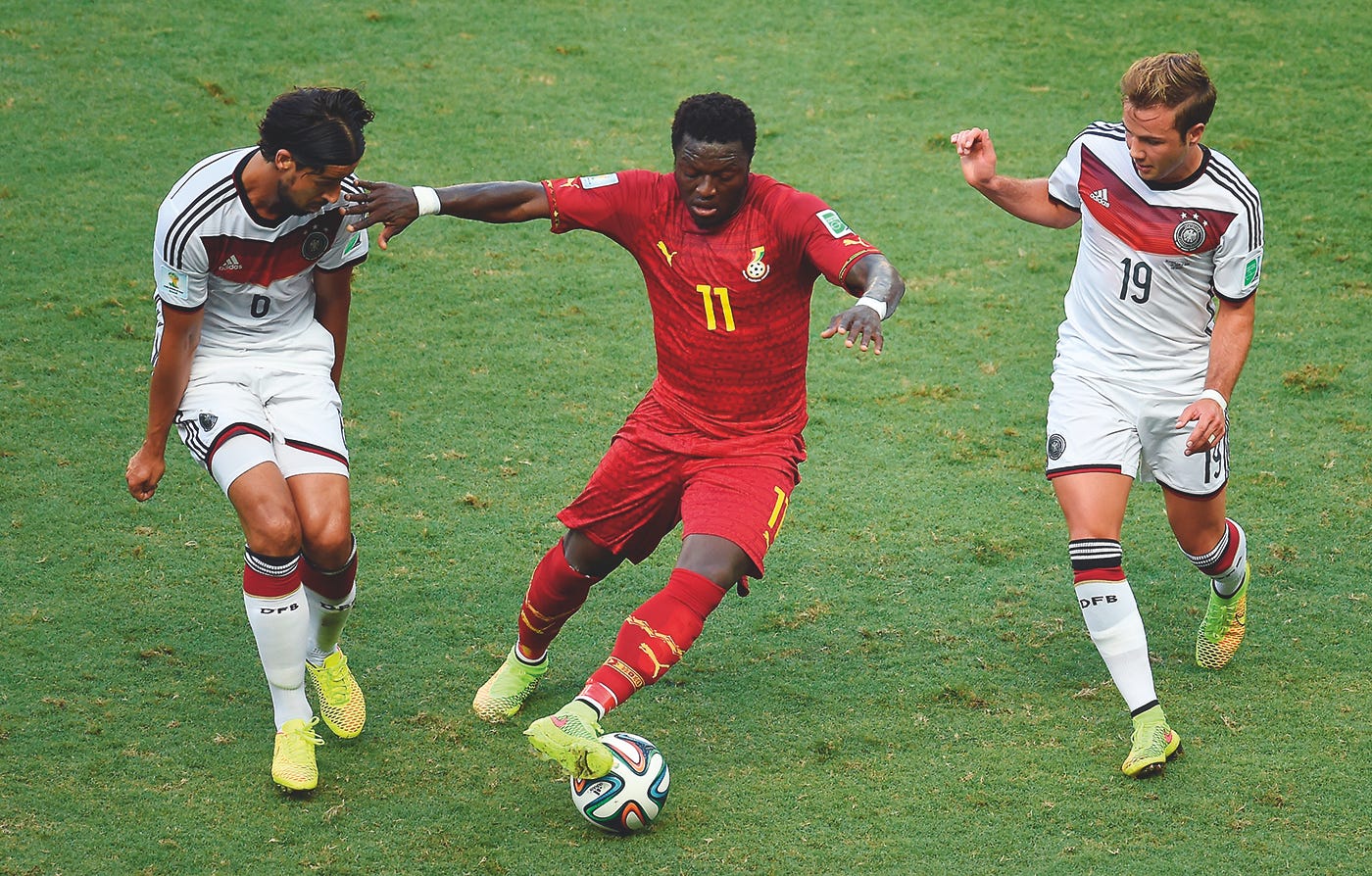
Much hay was made of the fact that hundreds of thousands of Europeans and other furriner-types fell in love with Buc-EE’s and Waffle House during their trip to the World Cup, but Canada must have also charmed a few of our guests, because they’ve decided to stay there for good. From The Globe And Mail:
Visitors to Canada who applied for visas to attend the FIFA World Cup have so far lodged 175 asylum claims, including from Senegal, Ghana and Egypt. Canada played host to 13 games in Toronto and Vancouver in June and July, issuing 26,000 visas to visitors. Ghanaians, whose national team played Panama on June 17 in Toronto, have lodged the most asylum claims. Fifteen people with visitor visas from Egypt also claimed asylum. Fifteen Colombian nationals, whose soccer team played Switzerland in Vancouver on July 7, lodged refugee claims after entering the country.There were 10 asylum claims from Senegalese nationals who came here for the World Cup. There were five refugee claims from Ecuadorians, whose national team competed in the World Cup in matches outside Canada. Many refugee claims were made by World Cup visitors whose national teams did not participate in the tournament. They include 15 Kenyans, 10 from China, 10 from Bangladesh, 10 Nigerians and five each from Burundi, Nepal and Pakistan.
The numbers only include people whose stated purpose of the visit was to watch the World Cup.
I’m going to try this in Switzerland next time I’m there. “Oh yeah, I’m just here to see some watchmakers. Also, I’m never going home.”
I’m easily satisfied by the very best
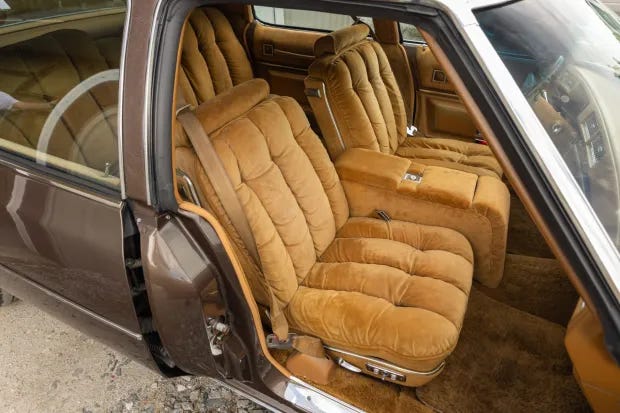
It cost more than $67,000 to restore this beautiful Chesterfield Brown four-seater Fleetwood Talisman. What’s it worth at Bring-A-Trailer? $16,800, which was (wayyyy, presumably) below reserve.
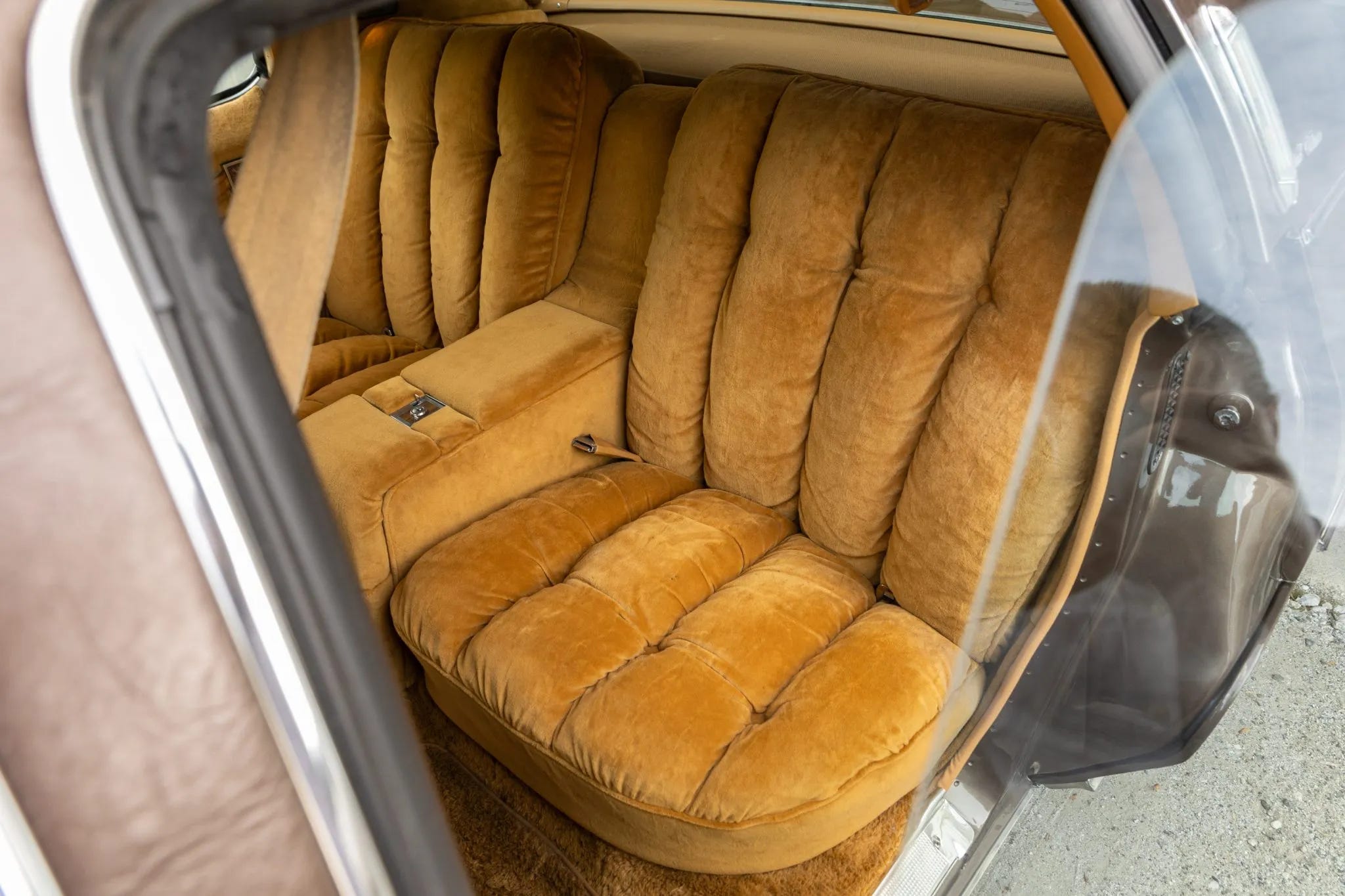
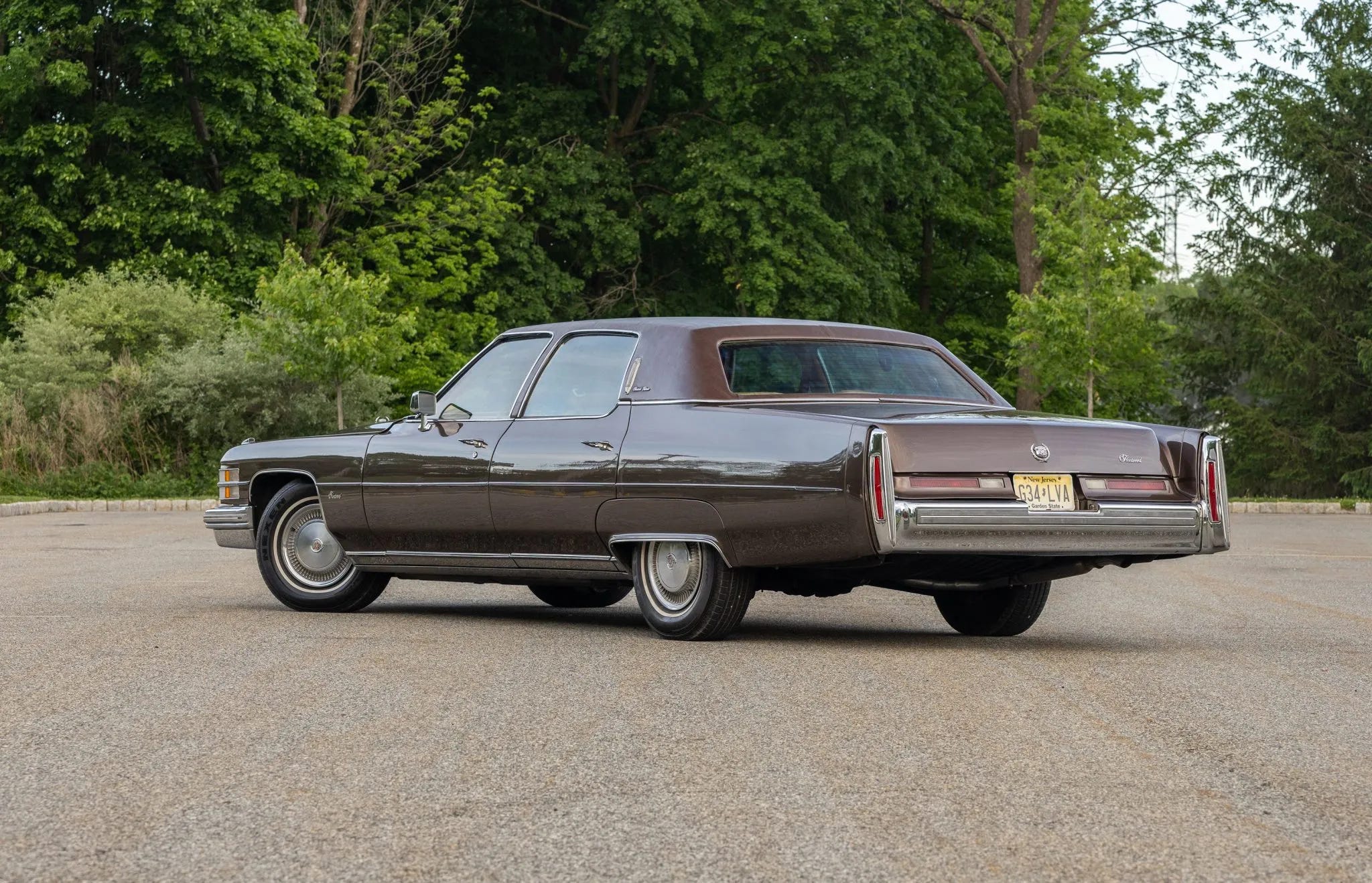
Long-time readers will recall that I drove a Fleetwood Talisman from Columbus, Ohio to Houston, Texas in July of 2011, losing the radiator along the way and inadvertently entering into a astoundingly self-destructive relationship with a much younger woman in the process. It was just fifteen years ago but I struggle sometimes to remember even being that person, in much the same way that you can visit a Korean War fighter plane at a museum and still have no sense of what it was like to parachute half-dead from the bitter-cold sky to the frost-covered ground.
I think the sentiment, and the market, will eventually come back around to these cars. When I see the two-tone Maybach S680s in Manhattan, often in colors that are not so distant from Chesterfield Brown, I see a world in which the sheer impossibility of making a convincingly sporty car in many segments has opened up the chance of a return to luxury. You will perhaps recall that the original Talisman was the product of just such a “vibe shift” when new emissions regulations and higher fuel prices put a bullet in the head of stuff like the Impala 409 SS. Built for comfort, not for speed.
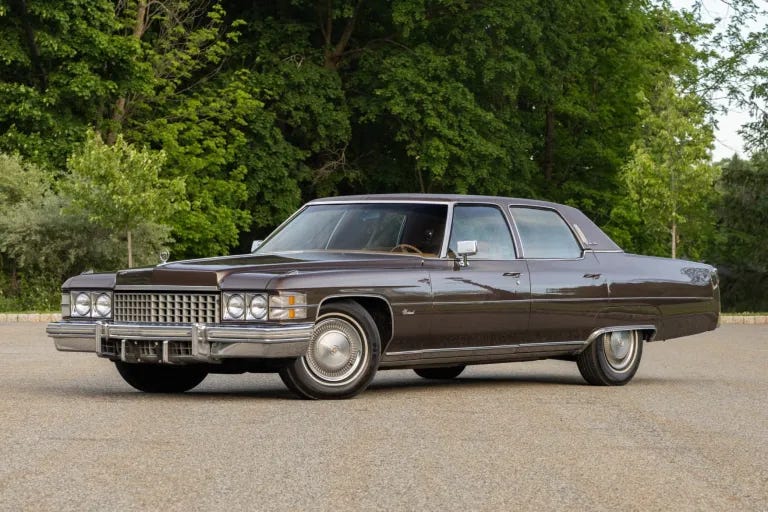
You will know that I have fixed all of my income and employment problems for good when you see me in a two-tone Maybach. I like those cars. I like this Talisman. I’d like to have both of them. Speaking of “luxury cars”, however:
A bad mechanic strikes one final blow
This past weekend, at the AMA Vintage Days, my son and I saw no fewer than three CB77 Superhawk 305s for sale. This motorcycle is most famous for being used by another writer and his son:
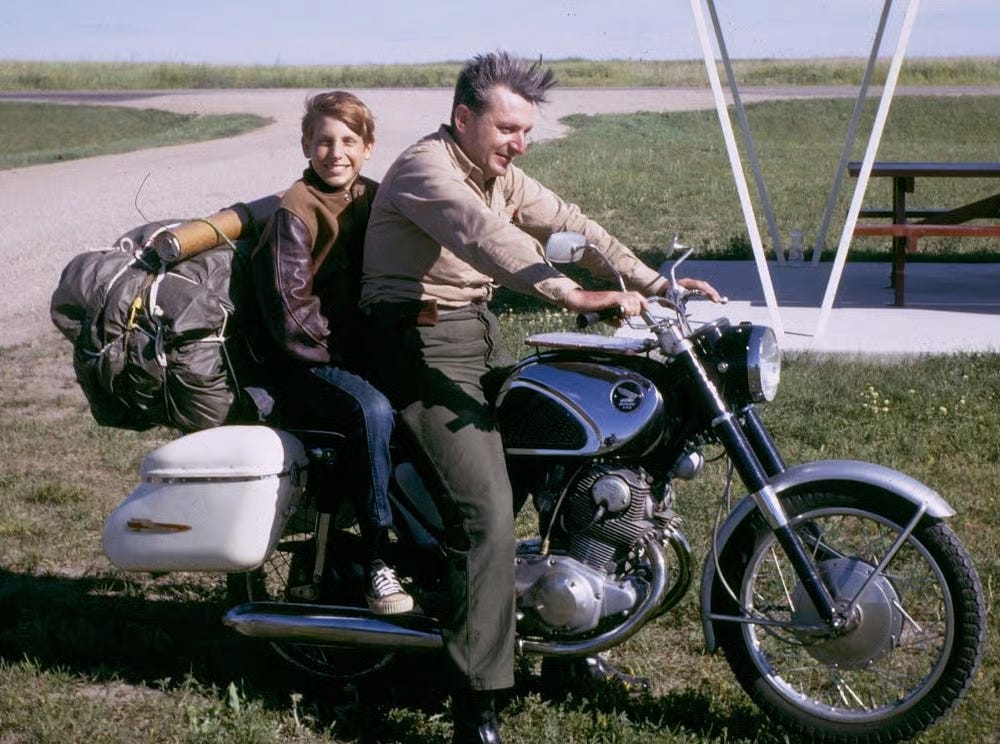
Robert Pirsig and his son, Chris, used the painfully underpowered Honda to cross the country in a trip that he would later on recount in Zen and the Art of Motorcycle Maintenance. Chris would go on to spend his life helping people at the San Francisco Zen Center. I should say his short life, because at the age of 22 he was stabbed to death at the corner of Haight and Octavia.
Pirsig’s book, and his philosophy, have been of much use to many people, your humble author included. However, it is more or less directly what killed his son. Apparently, Chris misinterpreted the robbery attempt, which probably began as most of them do with a “Hey, man, can you help me out?” as a genuine need for help; his gentleness and seeming recalcitrance enraged the man who then killed him.
You can do a lot of harm in the course of trying to do good. Usually the harm is not as serious as what happened to Chris Pirsig. You can also suffer a few consequences along the way.
For the past six years, my wife and I have worked with a series of students from the University of Northwestern Ohio (UNOH) near Dayton. We hire them to crew the race cars at rates that climb over time as they become more useful to us. We have a few success stories; one fellow is now running a sixty-car competition program for a major Radical dealer. We have a few weird stories, like the kid who worked his ass off for a couple of years, was nearly killed in a car crash, degenerated into a drug-addicted wastrel whom we had to eject from our home, but then turned his life around and became a well-respected machinist and engine builder in his own right.
Then there’s Cameron. I took a personal liking to the kid when I met him, perhaps because he was so awkward. He was tall-ish, scrawny, with the worst acne I have ever seen. He looked at the ground when he spoke. But he was confident in his work and he wanted to do as much as possible. I made a lot of opportunities for him, including giving him two vintage motorcycles as payment for future services rendered. I even bought him $650 worth of tools so he could start doing additional work on the side. One day he basically disappeared and we found out that he had gotten a job with a Radical shop in Virginia. He still owed me about five grand in labor, but I figured we would get it from him eventually.
Then the mistakes started to become apparent. He’d removed the transmission from my Radical PR6 for service… and, it turns out, effectively ruined the engine by over-disassembling it, losing a bunch of critical Radical-specific parts, and letting it corrode. He’d crashed one of my motorcycles and “fixed” it at this own expense, but the fixes turned out be inadequate. Over the course of the winter, we kept finding stuff that he had half-assed or failed to do entirely. It got bad enough that the remaining crew started collectively trying to recall everything Cameron had worked on so they could find the problems before they happened.
Oh, and we were missing a lot of tools. How had he disappeared with all the tools I bought him and others? It boggled the mind. I decided I would start the process of handling this so I reached out to people who knew him at his current Radical gig, only to find out that he’d been fired from said gig for refusing to clean the cars during races.
“Well, I’m still holding on to the title for one of these bikes, so we will eventually hear from him,” was my statement on the matter. But months went on and we never did.
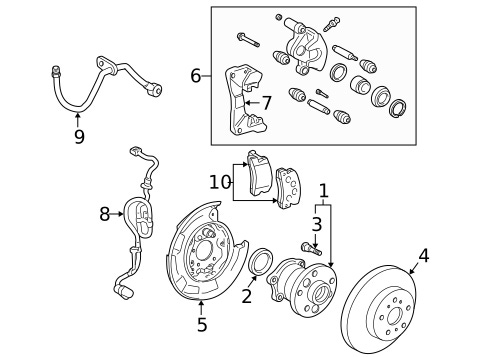
Two weeks ago, after driving someplace in my Lexus ES300, Danger Girl noticed that there was a hot smell coming from the right rear caliper. Sure enough, the wheel was hot to the touch. Another locked caliper, or at least that seemed like the most likely outcome since the hubs were new-ish and the parking-brake drums had been redone 12,000 miles ago I bought a rebuild and new pads from Rock Auto, bringing the total parts and labor cost of this $4500 Lexus to… $11,346.82.
(I have 13,540 miles on the car, so it’s been basically as expensive to operate as a new Cayman GT4.)
I put the ES300 up on the lift, and sure enough the right rear wheel was difficult, but not impossible, to turn. So I removed the caliper and mounting bracket, at which point I got my first surprise. The pads weren’t really worn. On a hunch, I compressed the piston; it was fine. Yet the hub now turned freely with the brake off, so the caliper must have been the problem somehow. I started to worry: do I have an ABS or proportioning valve problem? This was so agitated that I was forced to listen to Natalie Merchant during the reassembly.
“But get this through / that I don’t approoooooove” she sang, as I bolted everything back together. At which point I realized:
The two bolts that had secured the bracket to the hub carrier were very different in condition. One was fully rusted, the other one was like new.
Also, the like new one was twice as long as the rusted one.
When I reinstalled the bracket using these bolts, there was a distinct “ping” as the longer bolt hit the disc from behind. I checked the disc. There was a groove worn into the back of the disc, where the bolt was. But it wasn’t significant.
And then it hit me. Cameron and I had done the rear parking brake drums together; me on driver’s side, him on passenger. I got mine done a lot faster than he did, to the point that I went into the house while he finished his side. Surely what happened was this:
Cameron lost one of the bracket mount bolts.
And he was too lazy to look for it.
And too proud to admit it to me.
So he waited until I was done with my side, then he wandered around the shop until he found another metric bolt of the same diameter.
But the bolt was too long.
So he just didn’t put it in all the way.
At some point in the last 12,000 miles, the bolt vibrated tighter. This normally shouldn’t happen, but it does happen.
Which caused it to impinge upon the disc, heating it and heating the wheel.
I was lazy myself; rather than grind down the bolt, something that only occurred to me afterwards, I just spaced it out with some washers and resolved to buy the correct bolt before winter. The fix was, indeed, a fix. And now I have a decent spare caliper. Total cost was a rather unfortunate $112.53, but I didn’t use the pads that I bought (USA-made Akebono!) so I can set them aside for another time. Also, $27 of that cost was a new vacuum bleeder that I can use on the motorcycles as well.
This year, we made the decision not to hire any UNOH kids. Part of it was because I’m not racing, and part of it was not wanting to put in the emotional effort involved with getting a crew member up to speed. Next year will probably be different. There’s a cost involved with helping people. As long as you can keep it at the level of “destroyed Hayabusa motor”, rather than “dead son on a San Francisco streetcorner”, that cost is worth paying. The harder part, at least if you’re me, is tallying up what it has cost everyone else to help you, and wondering if you will ever be worth enough to somehow pay it all back.
No writeup on the insane finale of the 2026 Tour de France? Disappointing: I thought you were a biker, and you won't talk about the 184 strongest bikers in the world? Tsk. Watch the last ~3 minutes of this competition: https://www.youtube.com/watch?v=wNFM6V41BWM&t=978s
See how my boy Mathieu Van Der Poel is able to give every single drop of power in his body to crossing the finish line. Imagine being a professional athlete and your job is to flog your body and *lose races on purpose.* Race after race he's pulling Jasper Phillipsen at 40+ MPH to the finish line, only to fade to the side for Jasper to put in the final 10 seconds of sprinting effort to narrowly beat out the other teams doing the same things.
Imagine being such a bad, bad man that the beefiest cyclist in all of human history has to give up his intentions of winning the final stage because you were a nut too tough to crack. Metal!!
I still haven't forgiven Van Der Poel for dropping out of his first TdF in 2021 to get ready for competing in the men's XC MTB in the summer olympics, only to crash out like a derpy noob. But this was quite the end to an otherwise disappointing TdF. No Matteo stage wins (THE BOY FROM BOISE!!), Jonas obliterated his collar bone, Sepp was too tired to stay on his bike and pip Carapaz on the penultimate stage... Sigh. Next year?
Just in case Tarantino wants to try something new:
Once Upon a Time...in Eugene. Or: Pulp Scions
The movie opens in a smoky, high-end steakhouse in Baltimore, circa 2011. Jack Baruth and Tom Klockau are sitting at the bar, debating the merits of a 1978 Lincoln Continental Town Car and whether Ketel One neat or a Brandy Old Fashioned is the perfect drink. Sitting two stools down is an elegant, elderly gentleman in a bespoke European suit, sipping a neat scotch. It’s Dr. Ernst Niedermeyer. He overhears Jack make a flawless philosophical point about automotive design, and a three-hour conversation sparks. They talk about neurology, classical piano, Broughams, racing and mountain climbing. And gin. They bond instantly.
We cut abruptly to a dark, cluttered garage in Eugene, Oregon. The lighting shifts to harsh, gritty Tarantino-style cinematography. Paul Niedermeyer is sitting at a laptop in a faded, tie-dye shirt, lit only by the screen. He sees a Facebook post of Jack, Tom, and his father smiling together at the restaurant, each holding up a cut crystal highball glass. Paul’s eyes twitch. The Kill Bill siren music blares. He slams his fist on the desk and types a furious, multi-page email to Tom Klockau, timestamped: December 25, Midnight.
To build the tension, the movie breaks into chapters with vintage 1970s film grain, tracking Paul’s life of snapping defeat from the jaws of victory:
Chapter 1: The Spiteful Son (1969) – A teenage Paul, looking like a stereotypical, unwashed hippie, [ED: use someone from Central Casting] screaming at his brilliant father in an elegant Austrian-styled study. Dr. Ernst holds up a brochure for an Ivy League university and a trust fund check. Paul rips it up, spits on the Persian rug, and storms out into a cloud of blue smoke emitting from a rattling, 40-horsepower Volkswagen Beetle.
Chapter 2: The Telemundo Meltdown (1986) – A fast-paced, Wolf of Wall Street-style montage of the early days of Spanish-language TV. Paul is in a sleek, neon-lit 80s boardroom surrounded by millions of dollars in corporate contracts. A suit tells him to format a show a certain way. Paul gets bright red, flips a marble conference table, and yells, "You don't tell ME how to package content!" He is thrown out of the building by security, leaving millions in stock options on the table.
The Climax: The Misguided Heist. Fast forward to the present day. Consumed by a mix of generational envy, financial desperation, and pure bitterness that Jack and Tom are now regular guests at his father’s estate, Paul decides he needs to prove he is a criminal mastermind. He plans a high-stakes jewelry heist at a luxury boutique. He successfully grabs a bag of diamonds through pure luck, runs out the back door in a balaclava (balaclava has, for some reason, a Fiat logo on it), and dives into his getaway car: a faded, 200,000-mile Scion xB, with red-painted steel wheels for some reason. He twists the key. Chugga-chugga-chugga... click. The second attempt emits a final death rattle: GLUG. Uh oh! Paul furiously pumps the gas pedal of the spartan, minimalist penalty box, screaming at the cracked, plastic dashboard. Within 15 seconds, two mall security guards casually sharing a box of Dunkin Donuts casually walk up, open the unlocked plastic door (it falls off), and pull his body right out onto the curb.
The Final Shot: The movie ends with Paul sitting in a holding cell, wearing an orange jumpsuit. A guard drops a clipboard on his desk. Paul looks up and asks if he can use his one phone call to change the publication date on an article Tom Klockau wrote in 2009. He dials the number. A voice on the other end cheerfully says, "Hello, this is The Cellar, would you like to make a reservation?" He screams "NOOOOOOO!" as the camera pans away. The screen fades to black as a classic 1970s funk track plays over the credits. THE END.